

科技与PE投资背景的“局外人”,重塑香港眼科医疗品牌
October 3, 2025
清晰醫療集團成本優化與戰略重組 驅動轉型新篇章
October 3, 2025
From turmoil to transformation, Clarity Medical Group CEO Jiang Bo charts a fresh course with governance reform, insurance innovation and cross-border ambitions
When Jiang Bo took up the helm as CEO of Clarity Medical Group (1406.HK) last year, the Hong Kong-listed specialist eye care provider was mired in severe financial losses and, more importantly, a history of governance issues. These issues triggered a trading suspension and the creation of two special investigation committees to examine them.
Now emerging from its most difficult period, Clarity has a 20/20 vision for the future that Jiang says is built on governance reform, operational discipline and ambitious growth.
“When I came in, the situation was more complicated than I had imagined. I had to lift the lid on legacy issues. Only then could we build a future,” he says candidly. His first move was a sweeping clean-up by reshuffling the board, bringing in respected figures, engaging the board under chairman Anthony Wu’s leadership to function more effectively. Underperforming clinics were shut, poorly structured loans to former doctors were recovered, and past missteps were decisively corrected.
“Wrong decisions had to be corrected,” Jiang says. “Some of these decisions were consuming resources with no real return. It was better to cut losses and refocus.” Jiang believes credibility starts with governance. “When the public and investors look at the board, they need to see people who inspire confidence,” he says. “And they are respected industry figures staking their reputations on Clarity’s turnaround.”
Turning the corner
Most recently, Clarity has returned to positive cash flow at its core operations. The immediate crisis was over, and Jiang set sights on ensuring the company would not return to business as usual.
“We aspire to become a sizeable eye care group with structured capabilities in operations, marketing, insurance, IT and clinical support,” he says, describing this transformation he envisions as building a true platform where the collective strength far exceeds the sum of individual efforts.
“A single doctor can only do so much. But when you combine multiple complementary practitioners with shared infrastructure, technology, marketing and support systems, the effect is one plus one equals more than two.”
This model, he believes, is key to inspiring and retaining top medical talent while delivering better outcomes for patients.
.jpg?itok=ljm6klK0)
The insurance advantage
Key to Jiang and the management team’s turnaround plan is the integration of insurance partnerships into Clarity’s business model. In one year, insurance-related revenue jumped from under 1 per cent to over 7 per cent, with a target of 20-30 per cent in the coming years. Jiang cites Kaiser Permanente alongside Vision Service Plan as examples of how owning both the insurance product and the healthcare delivery system allows for better cost control, consistent quality and stronger patient relationships.
“When the insurer and provider are integrated with shared interests, everyone’s incentives are aligned, from doctors to administrators to patients,” he explains. “That’s the model we want to adapt for this region.”
He believes that vertical integration offers clear benefits as patients receive affordable, high-quality care; insurers gain cost control; and doctors enjoy sustainable earnings. Other initiatives include introducing services under specialist supervision to reduce demand on doctors, adopting newer and more efficient therapies to improve affordability, and improving data-driven triage and care management. Jiang is particularly focused on the growing segment of “new Hongkongers”, many of whom are covered by insurance plans issued by insurers from the mainland or affiliated with mainland groups.
“They represent almost 20 per cent of the population now. Many are affluent and health-conscious, but our industry hasn’t served them well. That needs to change.”
Cross-border opportunity
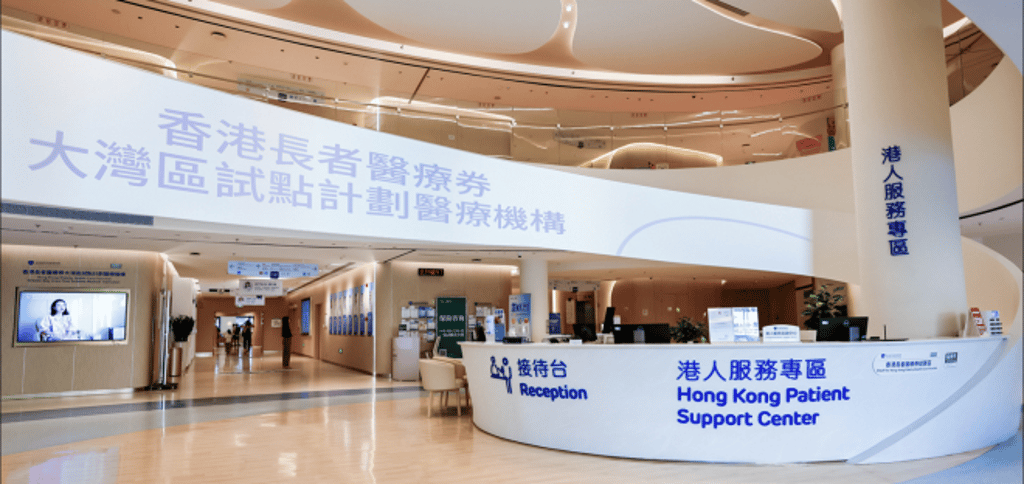
Jiang views Greater Bay Area (GBA) integration as both a challenge and an opportunity. With a patient base ten times that of Hong Kong and five to six times the GDP, the GBA offers vast potential.
“We can’t stop patients choosing Shenzhen if it’s easier. But we can give them reasons to choose us.” Clarity has already established a presence in Shenzhen, creating a two-way flow of patients between Hong Kong and the mainland.
“We have a service framework with Hong Kong and Shenzhen on the supply side, and Hongkongers and GBA residents on the demand side.”
Technology and clinical leadership
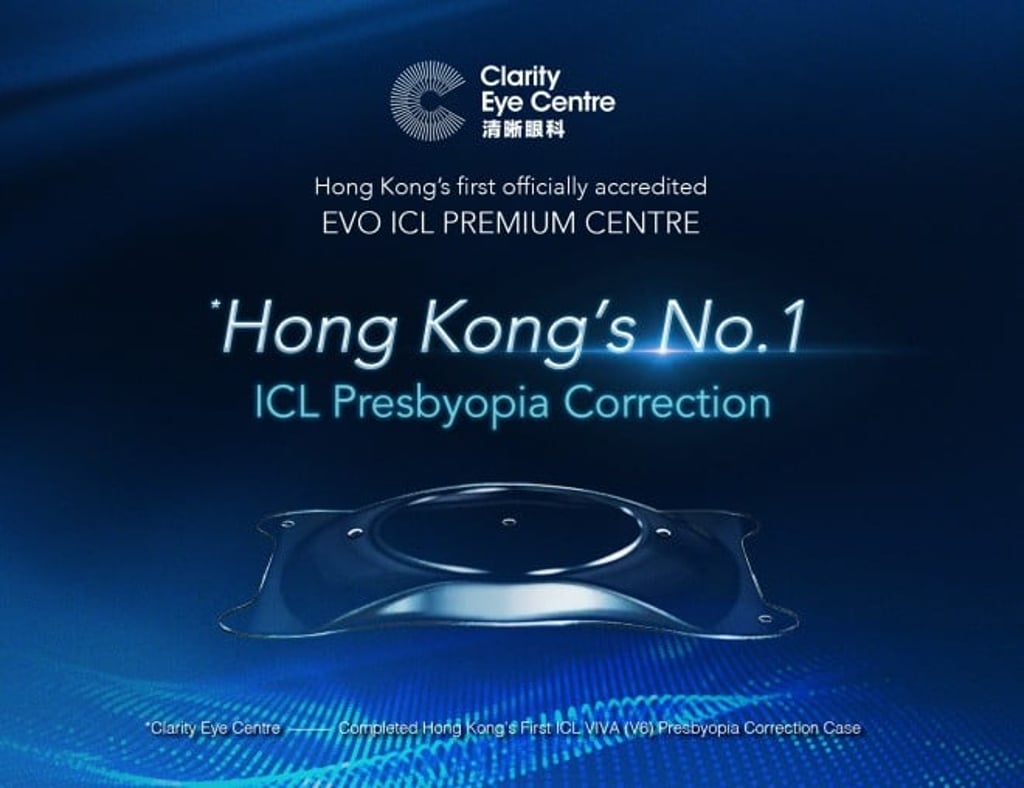
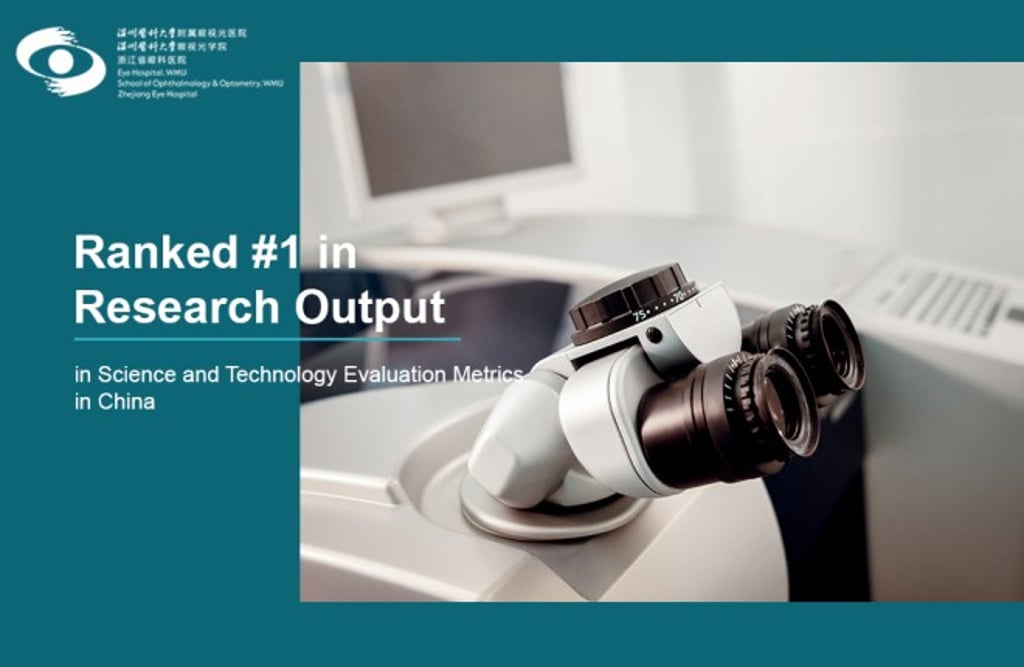
Much of Clarity’s competitive edge lies in its early adoption of advanced ophthalmic technologies. For instance, it was among the very first in Hong Kong to perform surgeries using sixth-generation ICL lenses and femtosecond laser platforms. This technological lead attracts discerning GBA patients and builds Clarity’s clinical reputation. Collaborations with institutions such as Wenzhou Medical University, China’s leading ophthalmology acaedmic and training centre, further strengthen its talent pipeline.
“They train one in eight eye doctors in China. Our co-operation with them is transformative for talent, training and research,” says Jiang, adding that internally Clarity has also introduced a medical board to standardise clinical practice and encourage peer learning.
Rebuilding trust
Jiang is candid about more tasks ahead. “Our board, our structure, our partnerships. These aren’t PR stunts. They are the foundation for a credible, sustainable business.” As the company moves forward, it’s emerging from obscurity into clarity, turning adversity into advantage. Jiang’s narrative is one of rebuilding, brick by brick, on a foundation of transparency, efficiency and strategic growth.
“Only when we confront the past openly can we move forward with confidence. This is about building something that thrives and lasts.”
Source: SMCP


